The Paralysis of Uncertainty: Navigating the “Why Try” Mentality in a Volatile World
Let’s be honest: “Where do you see yourself in five years?” has gone from a standard interview question to an almost existential crisis.
For decades, the path seemed relatively clear. You work hard, you plan, you save, you climb the ladder, and you secure your future. But recently, the goalposts haven’t just moved; they seem to be actively vanishing.
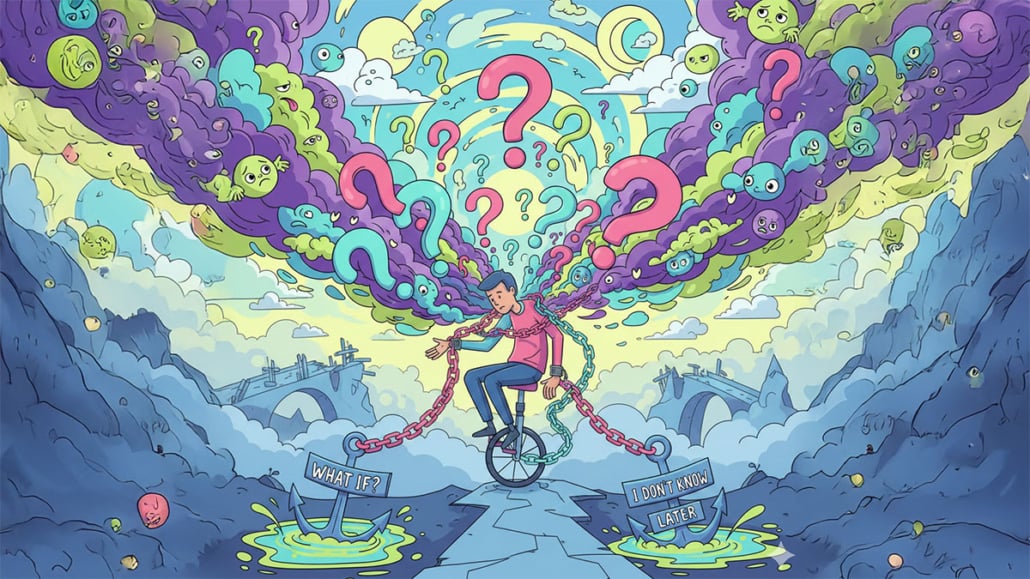
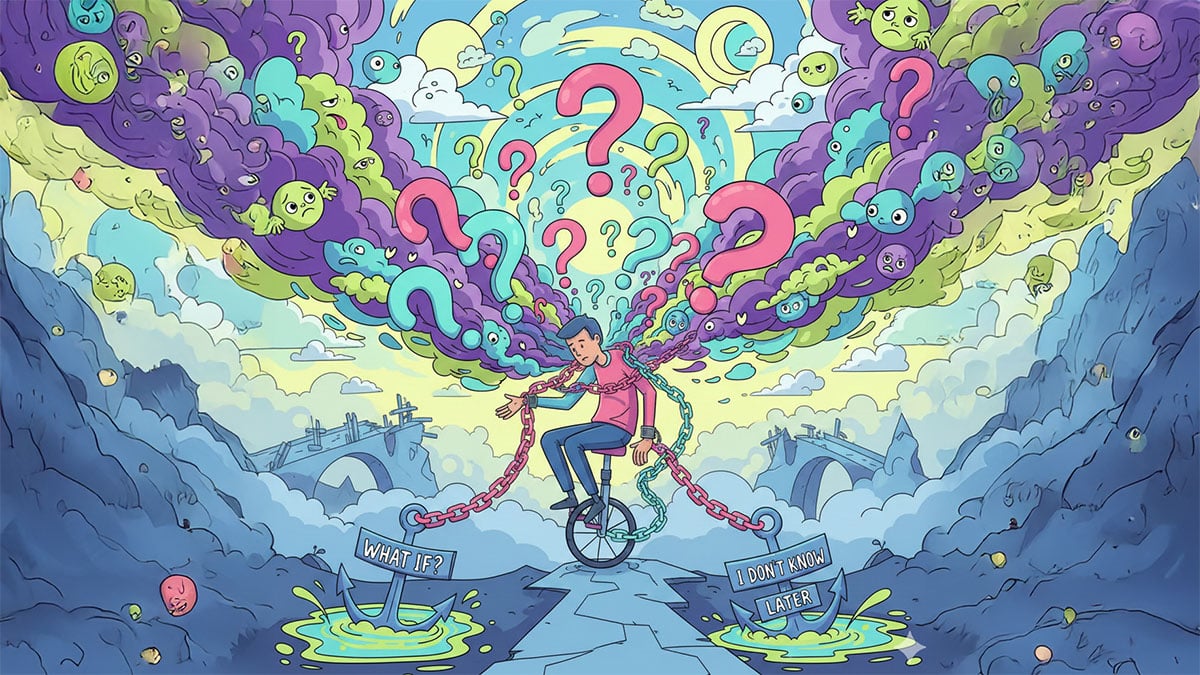
We are living through a period of relentless, compounding uncertainty. Economic volatility, geopolitical instability, rapid technological disruption (hello, AI), and shifting societal norms have created a perfect storm for anxiety. The future feels less like a destination we are travelling toward and more like fog we are trying to navigate.
This isn’t just an abstract economic issue; it is profoundly impacting our psyches, our homes, and our workplaces.
The Rise of the “Why Try?” Attitude
When the reward for effort becomes unclear, the effort itself can start to feel futile.
I’m noticing a distinct shift in the national mood—a quiet undercurrent of resignation among many capable, driven people. It manifests at work as “quiet quitting” or extreme risk aversion. At home, it looks like putting off major life milestones—buying a house, starting a family, or even just planning a summer holiday—because “who knows what will happen by then?” Socially, it can look like shrinking circles and a reluctance to commit to future plans.
It’s easy to label this as apathy or a lack of resilience. But I believe it’s something deeper.
It’s fear disguised as exhaustion.
This “why try” attitude is often a defence mechanism. It is a psychological trauma response to sustained unpredictability. If you can’t predict the outcome, the safest thing to do is stop betting your energy on the future. It’s a way of preemptively managing disappointment.
Fear in the Driver’s Seat
When uncertainty dictates our lives, fear becomes our primary operating system.
- At Work: We stop innovating. We cling to safe, outdated processes because the unknown of trying something new feels too risky. Leadership becomes reactive rather than proactive.
- At Home & Socially: We doomscroll rather than connect. We hoard resources rather than investing in experiences. The anxiety of the macro world bleeds into our micro interactions, making us shorter-tempered and less empathetic.
- Future Planning: Planning requires a baseline assumption of stability. Without it, planning feels like writing fiction.
How Do We Manage the Paralysis?
We cannot simply “positive vibes” our way out of genuine global instability. However, we also cannot afford to let fear hold the pen as we write the next chapter of our lives or our businesses.
If the long-term is blurry, we must sharpen our focus on the near-term. Here is how we can help ourselves, our colleagues, and our communities navigate this era of uncertainty:
- Shrink the Horizon (Self-Management) When looking five years ahead causes panic, pull your focus back to five months, five weeks, or even five days. What concrete steps can you take this week that align with your goals? By shrinking the horizon, you regain a sense of agency. Action is the antidote to anxiety.
- Normalise the Uncertainty (Workplace Leadership) As leaders and colleagues, the most powerful thing we can do is acknowledge the elephant in the room. Psychological safety means it’s okay to say, “I don’t know what Q4 will look like, but here is our strategy for Q1.” Don’t pretend to have a crystal ball. Transparency about unknowns builds trust far better than false confidence.
- Anchor to Values, Not Just Outcomes (Future Planning) Plans break. Markets crash. Jobs change. But values tend to hold steady. If your goal was “security,” and the traditional route to security is blocked, ask yourself what else provides that feeling right now. Is it upskilling? Is it deepening community ties? Anchor your planning to why you want things, not just the what.
- Connection Over Isolation (Community) Fear thrives in isolation. The “why try” mentality gains traction when we feel we are facing the void alone. Share your anxieties with trusted friends or mentors. You will almost certainly find they feel the same. Community resilience—the ability to weather storms together—is stronger than individual grit.
Moving Forward in the Fog
It is okay to feel afraid right now. It is a rational response to an irrational world.
But we must recognise when that fear shifts from a warning signal to a stop sign. The future is uncertain, yes. But we still have the capacity to adapt, to connect, and to make meaningful progress, even if we can only see one step ahead at a time.
Let’s stop asking “why try,” and start asking “what’s the best next step?”


Leave a Reply
Want to join the discussion?Feel free to contribute!