
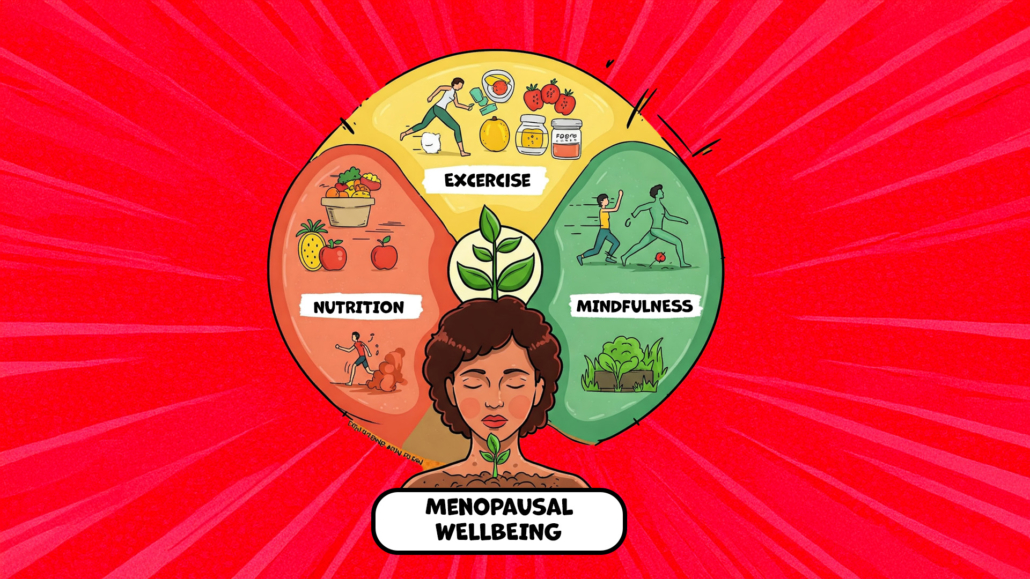
Nurturing Yourself Through Menopause: A Guide to Nutrition, Exercise, and Mindful Practices
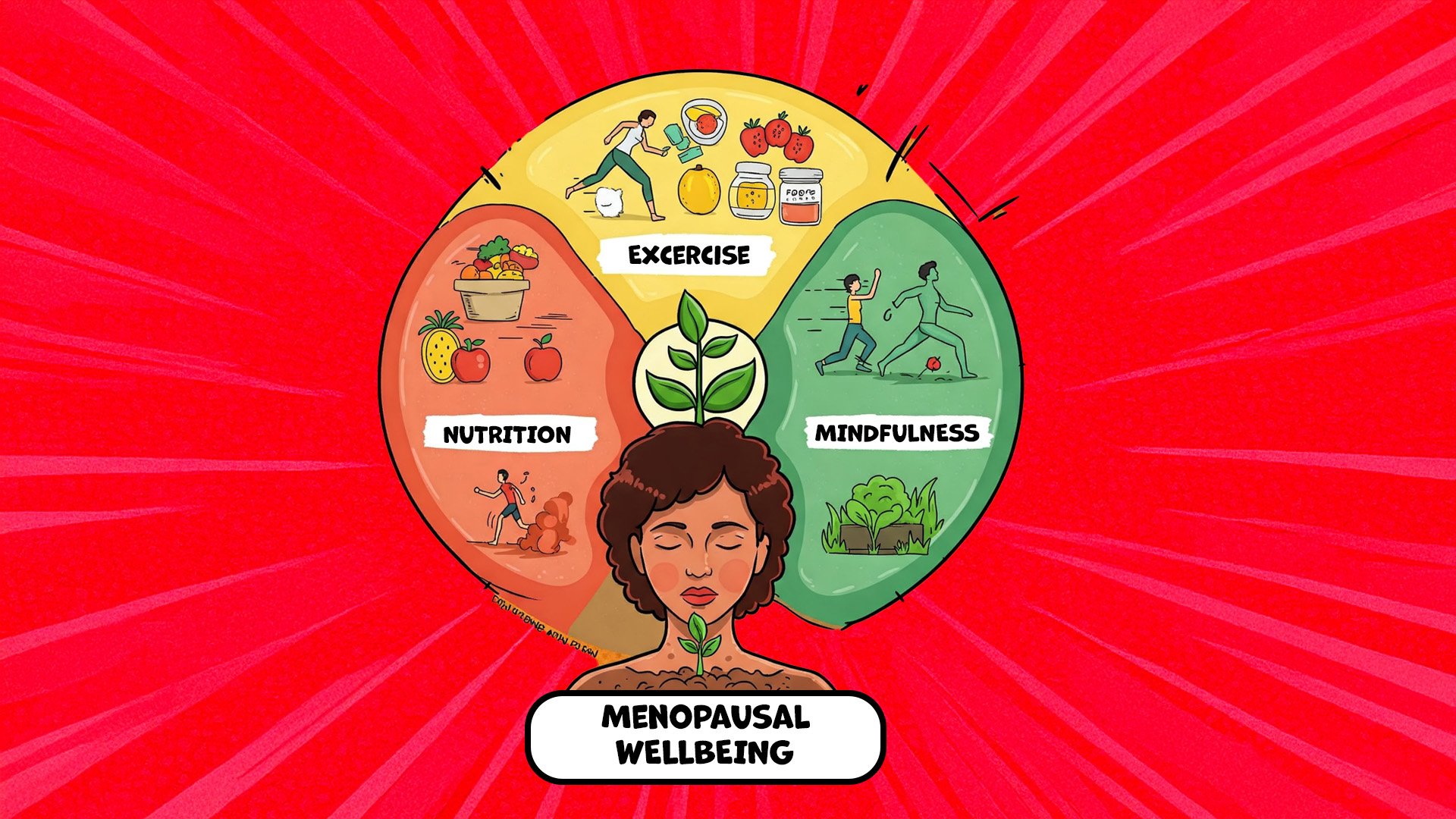
This fact sheet offers gentle guidance on nutrition, exercise, and mindfulness practices that can support your well-being as you navigate the natural transition of menopause. Remember that every woman’s experience is unique, and embracing self-compassion is key throughout this journey.
Nourishing Your Body: Mindful Nutrition
Hormonal shifts during menopause can influence metabolism and body composition. Focusing on nourishing your body with whole, unprocessed foods can incredibly benefit overall health and well-being.
- Prioritise a Balanced Diet: Aim for a colourful plate rich in fruits, vegetables, whole grains, and lean proteins. These provide essential vitamins, minerals, and fibre.
- Embrace Healthy Fats: Include sources of healthy fats like avocados, nuts, seeds, and olive oil. These support hormone production and brain health.
- Focus on Calcium and Vitamin D: These are crucial for bone health as oestrogen levels decline. Include dairy or fortified alternatives, leafy greens, and consider safe sun exposure or supplementation as advised by your healthcare provider.
- Stay Hydrated: Drink plenty of water throughout the day to support energy levels, digestion, and overall bodily functions.
- Be Mindful of Portion Sizes: Pay attention to your hunger and fullness cues. Eating intuitively can help you feel more connected to your body’s needs.
- Limit Processed Foods, Sugary Drinks, and Excessive Alcohol: These can contribute to weight fluctuations, inflammation, and other discomforts.
- Gentle Approach to Weight Management: If you notice changes in your weight, remember that this can be a natural part of the hormonal transition. Focus on sustainable, healthy habits rather than restrictive dieting. Prioritise nutrient-dense foods and regular movement. If you have concerns, consulting a registered dietitian or healthcare professional can provide personalised guidance.
Moving Your Body with Intention: Joyful Exercise

Regular physical activity offers a wealth of benefits during menopause, supporting both physical and emotional well-being.
- Find Activities You Enjoy: Whether it’s walking, swimming, dancing, yoga, or cycling, choose activities that bring you joy and that you’re more likely to stick with.
- Incorporate a Mix of Cardio and Strength Training:
- Cardiovascular Exercise: Helps improve heart health, boost energy levels, and can aid in managing weight.
- Strength Training: Builds muscle mass, which can support metabolism and bone density. Even bodyweight exercises or using light weights can be beneficial.
- Listen to Your Body: Adjust the intensity and duration of your workouts based on how you’re feeling. Rest and recovery are just as important as the activity itself.
- Be Patient and Consistent: Small, regular efforts can lead to significant long-term benefits. Focus on building sustainable habits rather than striving for quick fixes.
- Consider Gentle Movement: Practices like Tai Chi and Pilates can improve balance, flexibility, and core strength, which are particularly beneficial during this time.
Cultivating Inner Peace: Mindfulness and Meditation
Menopause can bring about a range of emotional and mental shifts. Mindfulness and meditation can be powerful tools for navigating these changes with greater ease and fostering inner resilience.
- What is Mindfulness? It’s the practice of paying attention to the present moment without judgement. This can involve focusing on your breath, bodily sensations, sounds, or thoughts as they arise and pass.
- Benefits of Mindfulness and Meditation:
- Emotional Regulation: Helps you become more aware of your emotions without getting carried away by them, allowing for a more balanced response to mood fluctuations.
- Stress Reduction: Calms the nervous system, reducing feelings of anxiety and overwhelm that can sometimes accompany hormonal changes.
- Improved Sleep: Regular practice can promote relaxation and improve sleep quality, which can be disrupted during menopause.
- Enhanced Self-Awareness: Cultivates a deeper understanding of your thoughts, feelings, and bodily sensations, allowing you to respond to your needs more effectively.
- Shifting Perspectives: Mindfulness can help you observe your thoughts about menopause and any associated changes with greater objectivity, reducing self-criticism and fostering acceptance.
- Embracing the Inner Journey: For some women, the menopausal transition can be a time of profound inner reflection and a form of spiritual awakening. As old roles and expectations shift, there can be an opportunity to connect with a deeper sense of self and purpose.
- Growing in Strength and Resilience: For others, navigating the challenges of menopause fosters a profound growth of strength and resilience. Learning to manage new symptoms and emotional landscapes can lead to a deeper understanding of their own inner power. This can be a time of discovering true needs and desires, as women become more attuned to what truly nourishes them on all levels.
Getting Started with Mindfulness and Meditation:
- Start Small: Even 5-10 minutes of daily practice can be beneficial.
- Find a Quiet Space: Choose a place where you can sit or lie down comfortably without distractions.
- Focus on Your Breath: Notice the sensation of your breath as it enters and leaves your body.
- Acknowledge Thoughts and Feelings: When your mind wanders (and it will!), gently acknowledge the thought or feeling without judgement and redirect your attention back to your breath.
- Explore Guided Meditations: Numerous apps and online resources offer guided meditations specifically for stress reduction, sleep, and emotional well-being.
- Be Patient and Kind to Yourself: Mindfulness is a practice, and it takes time and consistency. There’s no right or wrong way to feel during meditation.
Remember: You are not alone in this journey. Be kind to yourself, seek support when needed, and embrace the wisdom and strength that comes with this natural transition. Nurturing your body and mind through mindful nutrition, joyful movement, and calming practices can empower you to navigate menopause with grace and well-being.
It’s a chance to focus on personal growth, health, and new interests.



Leave a Reply
Want to join the discussion?Feel free to contribute!